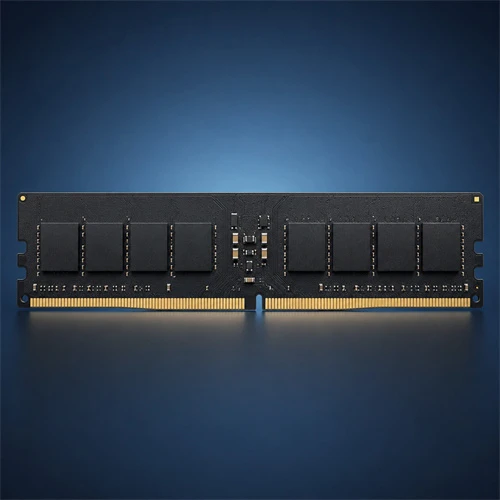
Global RAM Price Surge: What Is Driving the 2026 Memory Market Crisis?
TECH CITY — August 7, 2026 — Over the past several quarters, the global semiconductor landscape has experienced an unprecedented shift: RAM prices are soaring to historical highs. From standard consumer DDR4 and DDR5 memory modules to high-performance server hardware, buyers, PC builders, and enterprise procurement teams are facing severe budget constraints.
Industry analysts report that contract and spot market prices for DRAM and NAND Flash have surged dramatically, with some segments jumping over 80% to 120% year-over-year. What began as a minor market recovery in late 2025 has escalated into a full-scale memory crisis—often referred to by hardware communities as the "Memory Winter."
Key Drivers Behind the Extreme RAM Shortage
Why is memory suddenly so expensive, and why aren't manufacturers simply producing more? Several interconnected structural factors have created this perfect storm:
1. The AI Infrastructure Boom & HBM Cannibalization
The single biggest catalyst is the explosive growth of artificial intelligence. Hyperscalers and cloud service providers (CSPs)—such as Microsoft, Google, and Meta—are buying up memory at record volumes.
To power AI workloads, manufacturers like Samsung, SK Hynix, and Micron have aggressively reallocated cleanroom capacity to produce High-Bandwidth Memory (HBM3e / HBM4). Because producing one HBM wafer physically consumes up to three times the silicon wafer space of standard DDR5, production capacity for consumer and standard enterprise DRAM has been severely squeezed.
2. Strategic Supply Discipline by Major Chipmakers
Following the historic oversupply and price collapse of 2023–2024, top DRAM manufacturers implemented strict capital expenditure discipline. Rather than flooding the market with excess wafer output, fabricators are carefully managing inventory and prioritizing high-margin enterprise products over budget consumer kits.
3. Legacy DDR4 Scarcity & Rapid DDR5 Transition
As memory manufacturers pivot their lines toward high-density DDR5 for new platforms, DDR4 production has rapidly declined. However, millions of legacy servers, enterprise fleets, and consumer PCs still rely on DDR4. This classic supply-and-demand mismatch has caused legacy DDR4 prices to spike just as sharply as current-gen DDR5 modules.
Market Impact: From Enterprise Workstations to PC Gaming
The impact of this price surge is felt across every layer of the technology ecosystem:
Consumer PC Market: Individual builders and gamers are delaying upgrades or settling for lower capacities (such as staying at 16GB or 32GB instead of 64GB).
Smartphone & Laptop OEMs: Hardware manufacturers are forced to either absorb component costs, trim base-model memory specifications, or pass price hikes directly on to consumers.
Enterprise IT Procurement: System integrators and data centers face "hourly pricing models" and volatile spot rates, making annual IT budget planning increasingly difficult.
Industry Outlook: When Will Memory Prices Normalize?
Market research firms forecast that memory supply will remain extremely tight through late 2026 and well into 2027.
While major chipmakers are investing heavily in new fabrication facilities and advanced packaging nodes, expanding cleanroom space and qualifying new silicon lines take time. Analysts suggest meaningful supply relief and price stabilization may not arrive until 2028, as next-generation fab capacity finally comes online.
About the Market Trend Report
For technology news, component market intelligence, and enterprise hardware insights, follow our coverage on global semiconductor trends and supply chain dynamics.
Media Contact: Press Relations Team
Tech Market Insights email: press@techmarketinsights.com