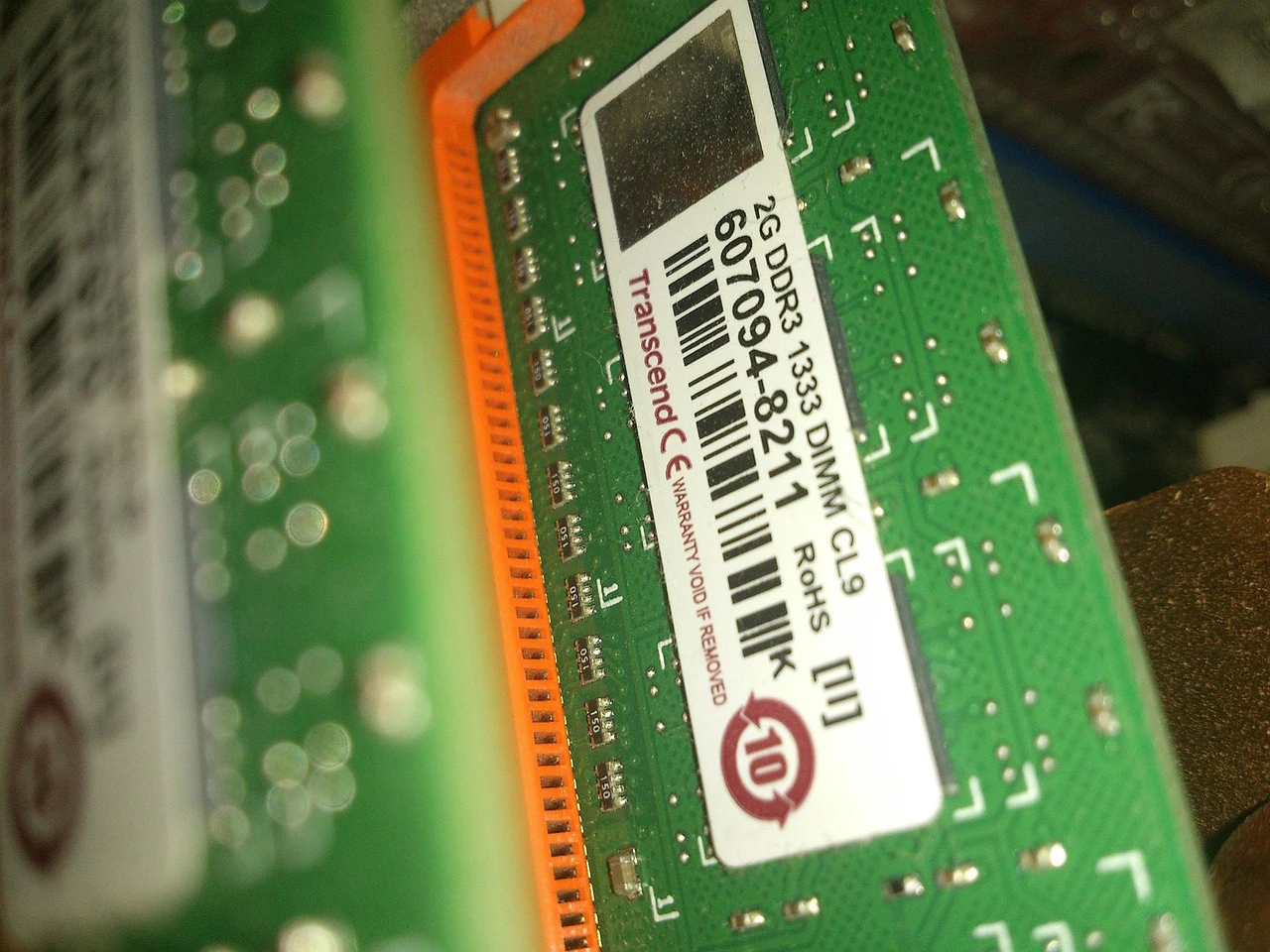
Global Memory Market Crunch: Why DDR5 RAM and DRAM Prices Continue to Surge in 2026
SAN JOSE, Calif. — The global semiconductor industry is navigating one of the most severe memory supply imbalances in recent history. Driven by massive capital expenditure in artificial intelligence (AI) infrastructure, high bandwidth memory (HBM) production shifts, and constrained consumer DRAM allocations, memory prices across both enterprise and retail channels have seen historic increases throughout 2026.
As system integrators, hardware enthusiasts, and PC manufacturers grapple with rising component costs, industry analysts from TrendForce and Gartner predict that tight supply conditions for DDR5 and server DRAM will persist well into late 2026 and early 2027.
The Core Catalyst: AI Data Center Demand and HBM Allocation
The defining driver behind the current DRAM market shift is the unyielding demand for AI training and inference hardware. Top chipmakers—including SK Hynix, Samsung Electronics, and Micron—have strategically reallocated significant portions of their wafer fabrication capacity toward High Bandwidth Memory (HBM3E and HBM4) and enterprise-grade server DRAM.
Because manufacturing HBM requires roughly 3x to 4x the wafer capacity of standard consumer DDR5 DRAM chips, memory foundries are processing fewer standard DRAM dies per wafer. As a result:
Enterprise Prioritization: Hyperscalers and cloud service providers are securing long-term supply agreements at premium pricing, consuming a record percentage of overall DRAM output.
Consumer Supply Compression: Module manufacturers face reduced allocations of 16Gb and 32Gb DDR5 dies, forcing retail prices for PC memory kits to climb steadily.
Capital Realignment: Memory manufacturers are directing capital expenditure (CapEx) toward advanced packaging and next-gen node transitions rather than expanding general DRAM volume.
"We are seeing a structural transformation in the DRAM market," noted senior semiconductor analysts. "In previous cycles, memory pricing was governed by consumer PC and smartphone shipments. Today, AI infrastructure dictates memory wafer allocation, leaving traditional PC hardware channels exposed to tight inventories."
DDR5 vs. DDR4: Market Trends and Price Analysis
While DDR5 adoption continues to grow as Intel and AMD desktop and server platforms mature, the overall price floor across all memory categories has shifted upward significantly.
       DRAM Market Allocation Dynamics (2026)
+-------------------------------------------------------+
|  AI Infrastructure / HBM3E/HBM4  [~~~~~~~~~~~~~] 45%  |
|  Enterprise / Server DDR5        [~~~~~~~~~]    30%  |
|  Consumer PC DRAM (DDR5/DDR4)    [~~~~~]        15%  |
|  Mobile & Embedded LPDDR5X       [~~~]          10%  |
+-------------------------------------------------------+
1. DDR5 Consumer Memory Kits
Mainstream 32GB (2x16GB) DDR5-6000 memory kits—previously considered the sweet spot for gaming and desktop productivity—have experienced sharp price adjustments year-to-date. Higher-density modules, such as 64GB (2x32GB) and 96GB (2x48GB) dual-channel kits, face even tighter availability due to high demand from workstation users and local AI developers.
2. DDR4 Legacy Demand
Despite being a legacy standard, DDR4 prices have not fallen as fast as expected. Because legacy production lines have been retrofitted to produce newer node DDR5 or enterprise ICs, DDR4 supply has contracted alongside demand, stabilizing prices at elevated levels.
Market Impact at a Glance
| Memory Category | Primary Market Driver | Supply Outlook (2026–2027) | Average Price Trend |
| HBM3E / HBM4 | AI Accelerators & Data Centers | Severely Constrained | Upward (High Margins) |
| Server DDR5 (RDIMM) | Cloud & Enterprise Servers | Tight Allocation | Rising Contract Prices |
| Consumer DDR5 (UDIMM/SO-DIMM) | Gaming PCs & Laptops | Constrained Supply | High / Volatile Spot Prices |
| Consumer DDR4 | Legacy Upgrades & Budget PCs | Reduced Production | Moderately High / Flat |
How Hardware Buyers and OEMs Are Responding
The sustained surge in RAM pricing is impacting product strategies across the entire tech ecosystem:
PC System Builders: Prebuilt PC manufacturers and laptop OEMs are increasingly shipping base-model configurations with single-channel memory or lower starting capacities (e.g., 16GB instead of 32GB) to manage total system bill-of-materials (BOM) costs.
Strategic Buying Habits: System builders are prioritizing timing and speed sweet spots—such as DDR5-6000 CL30—over extreme frequency kits to balance cost and platform stability.
Extended Product Lifecycles: Enterprise IT departments are delaying hardware refresh cycles or opting for memory upgrades on existing server nodes rather than full platform replacements.
Future Outlook: When Will Memory Prices Stabilize?
Market research points to a few critical factors that could shape the memory ecosystem moving into 2027:
New Fab Capacity Onshoring: Next-generation memory fabs currently under construction in Asia and North America are expected to bring online additional cleanroom space, though volume production will take time to materialize.
Yield Improvements on HBM4: As chipmakers refine yield rates for advanced 3D stacking and hybrid bonding, wafer loss during HBM production is projected to decrease, freeing up capacity for standard DRAM.
Consumer Price Resistance: Sustained high retail pricing may curb consumer upgrade demand, eventually leading to a market equilibrium later in the cycle.
For now, industry experts advise system builders and enterprise buyers to plan memory procurement well in advance, as volatile spot market conditions remain the norm across global supply networks.