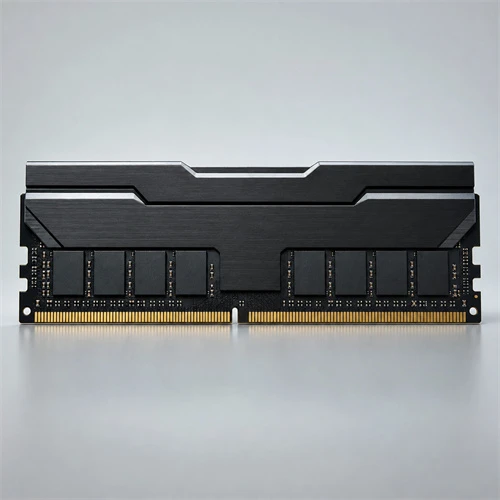
China's RAM Market Status in 2026: Domestic Substitution, Global Surges, and Local Dynamics
BEIJING — August 7, 2026 — As global memory chip prices continue to reach record highs, the domestic RAM market in China is undergoing a profound structural transformation. Caught between global supply squeezes and an unprecedented drive toward technology self-sufficiency, China's DRAM memory ecosystem is emerging as both a major demand hub and a rapidly expanding production powerhouse.
Driven by domestic market dynamics and localized demand across cloud computing, consumer electronics, and enterprise hardware, China's memory sector is navigating an unprecedented market landscape in 2026.
1. Domestic Breakthroughs: The Rise of Local DRAM Manufacturing
The most significant development in China's RAM market is the rapid expansion of native semiconductor manufacturers, led by ChangXin Memory Technologies (CXMT).
Surging Market Share: Amid capacity constraints from global memory giants, CXMT has aggressively expanded wafer production across its Hefei and Beijing facilities. In 2026, domestic DRAM output has surged, lifting the market share of Chinese-made DRAM to historical highs.
Mainstream DDR5 Adoption: Chinese memory module makers—including Longsys, Netac, and GigaDevice—have successfully integrated domestic DDR5 and LPDDR5 silicon into mainstream consumer and industrial products, offering local PC builders and OEMs competitive alternatives.
HBM & Advanced Packaging Initiatives: Local players are also making strategic inroads into high-performance memory technologies, investing heavily in advanced packaging facilities to support domestic AI hardware ecosystems.
2. Market Dynamics: Global Price Hikes vs. Domestic Supply Buffer
While global DRAM contract prices have surged over 60% to 90% in recent quarters due to AI-driven HBM prioritization by foreign suppliers, the Chinese market exhibits distinct local characteristics:
Dual-Track Pricing Model
Imported high-end memory modules and extreme-performance gaming kits face steep price premiums in China, matching international spot rates. However, mainstream consumer DDR4 and baseline DDR5 modules powered by local chips have provided a temporary "pricing buffer" for cost-conscious Chinese buyers and local system integrators.
Accelerating Localization in Enterprise Procurement
Chinese cloud providers, telecom operators, and state-backed enterprises are prioritizing domestic supply chains for IT infrastructure updates. This shift has created guaranteed domestic demand for local memory fabricators, insulation against global supply volatility, and long-term ecosystem stability.
3. Consumer & OEM Response across the Tech Industry
The memory pricing environment has reshaped purchasing behaviors across China’s tech supply chain:
PC DIY & Gaming Sector: Chinese consumers are turning toward domestic brand kits, which frequently offer aggressive price-to-performance ratios without sacrificing daily operational stability or high-frequency specs.
Smartphone & PC OEMs: Major Chinese hardware OEMs are diversifying their supply bases, mixing global and domestic memory components to manage bill-of-materials (BOM) costs for mid-tier and flagship devices.
4. Market Outlook: What Lies Ahead for China's RAM Sector?
Industry analysts expect China’s RAM market to maintain a high rate of localization through 2027 and 2028.
While global memory supplies are expected to remain tight due to hyperscaler AI demands, China's expanding wafer production lines and aggressive cleanroom construction timelines are placing local manufacturers in a favorable position to meet domestic demand—and eventually increase their footprint on the international stage.