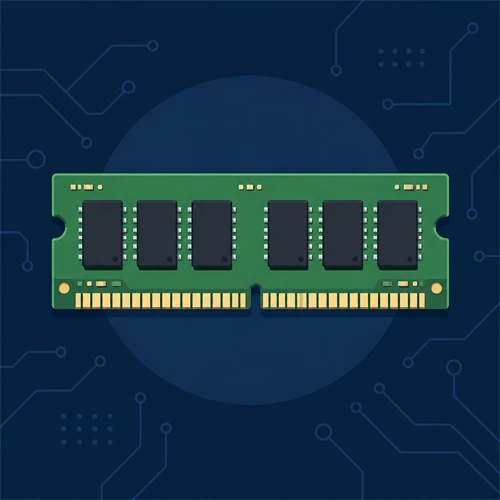
How Rising Memory Chip Prices Are Reshaping Global Politics and the Macroeconomy in 2026
WASHINGTON & GENEVA — August 7, 2026 — What began as an acute supply bottleneck in the semiconductor sector has evolved into a key driver of global macroeconomic friction and strategic geopolitical realignment. As High-Bandwidth Memory (HBM) and enterprise DRAM prices surge to historic highs throughout 2026, memory chips are no longer viewed merely as hardware components. Instead, they have become critical strategic assets impacting national sovereignty, international trade balances, and global inflation.
1. Macroeconomic Fallout: Inflationary Pressures and Capital Realignment
The rapid escalation of DRAM and NAND Flash costs is creating notable ripple effects across global financial systems:
Tech Sector Inflation: High memory costs are elevating the Bill of Materials (BOM) for smartphones, PCs, automobiles, and cloud infrastructure. This "hardware tax" is exerting upward pressure on core tech inflation, forcing enterprise IT buyers to reallocate capital away from broader R&D initiatives toward basic hardware procurement.
Widening Tech Disparity: Smaller enterprises and developing economies are increasingly priced out of cutting-edge hardware upgrades. As hyper-scale cloud providers consume the vast majority of premium memory output, digital transformation efforts in lower-income regions face severe cost bottlenecks.
2. Geopolitical Shifts: Memory as a Sovereign Asset
The memory crisis has elevated memory hardware into a cornerstone of technological national security, reshaping international policy and trade:
The Battle for Silicon Capacity
Governments across North America, Europe, and Asia are treating memory fabrication as a national security imperative. Policy frameworks—such as state subsidy programs and domestic manufacturing mandates—are increasingly geared toward securing localized DRAM and HBM supply chains to prevent economic disruption during global shortages.
Geopolitical Friction & Trade Policies
As memory becomes integral to national AI infrastructure, international export controls and trade regulations are being continually updated. Nations holding substantial DRAM manufacturing or advanced packaging infrastructure enjoy significant leverage in bilateral trade negotiations, elevating memory semiconductors to the same strategic level as energy and critical minerals.
3. Global Impact Breakdown: Economic vs. Political Dimensions
| Dimension | Primary Impact Drivers | Long-Term Global Consequence |
| Macroeconomy | Rising infrastructure BOM; high enterprise procurement costs | Tech-driven inflation; delayed digital transformation in emerging markets |
| Geopolitics | National AI sovereignty; strategic reliance on overseas fabs | Increased trade restrictions; massive state subsidies for domestic cleanrooms |
| Global Supply Chains | Concentration of HBM packaging in key regions | Friend-shoring initiatives and supply chain diversification |
4. Industry Outlook: The New Geo-Economic Landscape
As memory prices are projected to remain elevated through late 2026 and 2027, the intersection of hardware economics and international politics will deepen.
To navigate this environment, nation-states will continue expanding domestic semiconductor subsidies, while multinational enterprises must build resilient, geographically diversified supply chains. In 2026 and beyond, memory hardware is no longer just a commodity—it is a central pillar of global economic stability and geopolitical power.